The fear in Alien Isolation starts before the Alien earns the room. It starts with Sevastopol itself, with the station’s cheap little noises carrying on in the dark as though the place has not yet accepted what it has become. A light buzzes somewhere above you. A vent chatters. A speaker coughs into life and dies again. A door complains on its track. Nothing dramatic, nothing operatic, nothing that would mean much on its own. Yet the station makes these sounds feel contaminated. Each one seems to come with a human cause attached. A repair missed. A shift uncovered. A part ordered late. A message ignored. Somebody too tired to finish a job properly. Somebody too frightened to go back and check. Sevastopol does not sound ancient or cursed. It sounds recently failed, which is much worse.
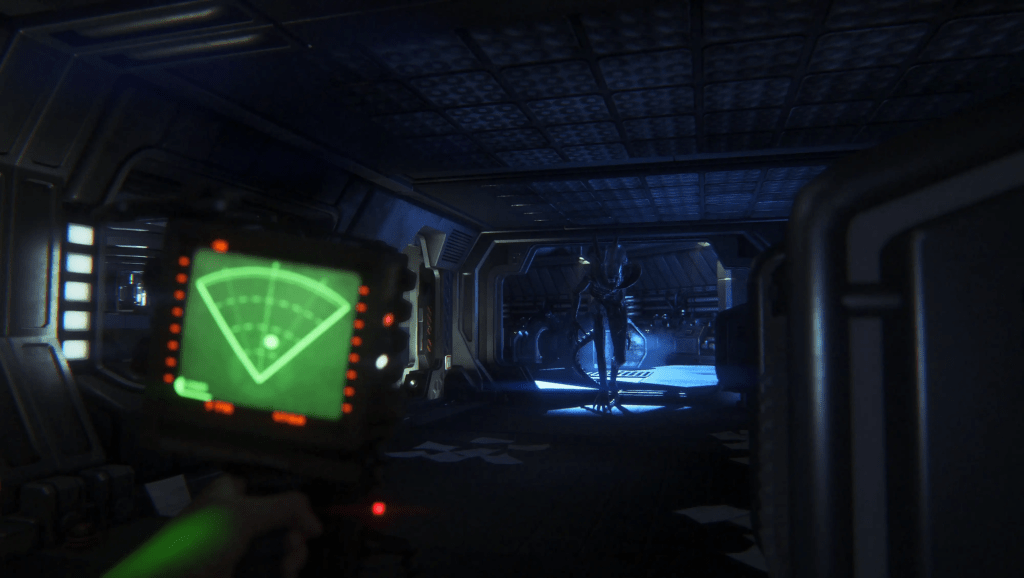
A lot of horror leans on shock, on the reveal, on the clean suddenness of seeing the thing that wants you dead. Alien Isolation goes for something filthier. It turns ordinary infrastructure into a source of dread. Before the creature drops into view with its wet black certainty, the station has already worked its way under the skin. Sevastopol sounds occupied in the wrong tense. Not busy, not functioning, not safe. Occupied by residue. Occupied by recent use. Occupied by the pressure of working life that has not drained out of the walls properly. You are alone, but the place keeps making the noises of company. Not comfort. Company. There is a difference, and Alien Isolation knows it.
Stone tape theory fits Sevastopol far better than any simple idea of echo. The old notion suggests that places absorb intense human feeling and, under the right conditions, let it leak back out. Whether you treat that as folklore or metaphor hardly matters here. Sevastopol feels like a station that has stored everyone who passed through it. Their fatigue, their impatience, their mistakes, their panic, their clipped little messages, their last practical attempts to keep a failing system upright. The station does not merely reflect sound. It seems to hold it. A strip light buzzing overhead feels less like ambience than retained stress. A tannoy crackle feels like old authority trying to speak through a dead mouth. A dragging door sounds like delayed maintenance, which means delayed decisions, stretched staffing, the wrong part in the wrong crate, the right part never ordered, a man off sick, another one covering three jobs badly, and a company already looking past the station toward the savings to be made once it is gone. Every sound carries human pressure inside it.
That is what makes Sevastopol feel alive in the wrong way. Not vibrant, not populated, not full of healthy movement. Alive like tissue still warm after the blood has started to turn. Alive like a workplace going through its routines long after the reason for those routines has collapsed. The station never offers clean emptiness. It hums, ticks, stammers, hisses, groans. Its room tone feels social. Not in a friendly sense. More in the sense that the environment seems thick with the aftershape of working lives. A corridor feels as though someone should be coming down it with a trolley. A speaker crackles as though somebody should still be making announcements. A shutter grinds as though somebody should be forcing it open for another shift. The station sounds like a place still trying to perform itself after the people who gave it meaning have been stripped out or slaughtered.
That social residue is what makes the game’s story delivery so effective. The broken audio logs and clipped terminal messages are not just bits of lore laid around for the dutiful scavenger. They are the station’s retained speech. Amanda Ripley comes to Sevastopol chasing one narrow hope, the possibility that the Nostromo flight recorder might finally tell her something concrete about her mother. What she finds instead is a whole environment coughing up the remains of its own collapse. Every log, email, complaint and warning adds another layer of dead routine to the station. Somebody was still filing reports. Somebody was still irritated with management. Somebody was still trying to get through a shift. Somebody was still telling other people to follow procedure. Nobody in those messages speaks like a tragic hero. They sound tired, annoyed, brisk, frightened, petty, practical. They sound like workers. That makes them far more disturbing.
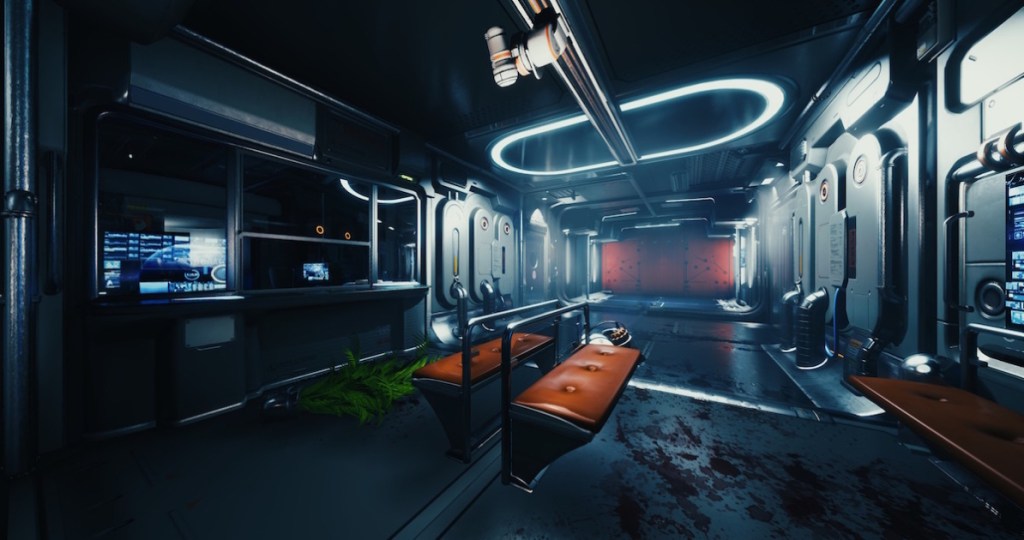
Disaster rarely arrives to the soundtrack of eloquence. It arrives in admin language. In unanswered messages. In things being left for tomorrow. In people saying they will look at it later. Sevastopol is full of this texture. The station is being wound down. Seegson is cutting it loose. Standards slip, trust thins out, repairs lag behind, systems remain in service past the point of dignity. Then the organism arrives in a place already softened by neglect and bureaucratic exhaustion. Marlow brings back more than a flight recorder. He brings a final infection into an environment already primed for failure. The great black horror at the centre of the game lands harder since the station was already learning how to sound sick on its own.
There is something especially vicious in the way Alien Isolation makes each small fault imply absent labour. A flickering light means somebody should have dealt with it. A broken announcement means a system once meant to impose order now choking on its own circuitry. A sticking door means maintenance lost ground somewhere. Lost ground means there were too few hands, too little time, too much indifference, or some miserable blend of all three. Sevastopol is full of these tiny mechanical confessions. Each one suggests a human story just out of reach. Not a grand romance. Not a neat tragedy. Something more ordinary and more horrible. A cleaner skimming a corridor. A technician ignoring a noise for one more shift. A supervisor signing off on less. A worker deciding it is no longer worth the effort. The station is dense with these invisible biographies. Every sound has a dead person behind it, or somebody who soon will be.
This gives the game its sonder, if there is any point in using the word without draining it of all force. Sevastopol feels packed with lives you only ever meet in outline. You hear them in the logs, catch them in the terminals, infer them from the state of the place. Someone used this corridor every day. Someone stood under this broken light often enough to stop noticing it. Someone kept meaning to replace that part. Someone learned the station’s little faults so well they became part of the background. Then the background turned predatory. That is the horror. Not only that the station has become dangerous, but that it was full of small ongoing lives before the danger properly took hold. The Alien stalks through a place made intimate by routine. The result feels obscene. Blood lands on admin, on shift work, on system errors, on office resentments, on public announcements, on the dreary mechanics of a station already coming apart in the joints.
The sound design understands all of this with almost cruel intelligence. Sevastopol never sounds neutral. Doors do not simply open. They drag themselves apart. Vents do not merely rattle. They chatter like bad teeth. Pressure does not just shift through the hull. It sighs, wheezes, gasps. The station has an obscene anatomy. Air runs through it like bad breath through a sleeping mouth. Corridor lights flicker with the irritability of eyelids that will not stay shut. Speakers spit and crackle like a throat too dry to speak. By the time the Alien enters your awareness properly, Sevastopol already sounds bodily. Not flesh exactly. Something worse than flesh. Machinery with the acoustic habits of a living thing. The station and the organism end up sharing a language. Each click in the wall could be structure, could be movement, could be the thing itself. After long enough, the distinction stops mattering. The ship has learned how to sound like a predator.
That poisoning of ordinary sound is what makes the game’s paranoia so complete. In weaker horror, dread arrives with the monster. Here, dread arrives with the building. A harmless clang can stop the breath. A hiss from a vent can feel personal. A stretch of near silence does not soothe. It tightens the skin. Sevastopol teaches your ears bad habits. It makes interpretation itself feel dangerous. Every sound becomes a possible sentence with key words missing. The station does not tell you what is happening. It suggests too many possibilities at once. Once a place starts doing that, fear stops being an event and becomes a climate.
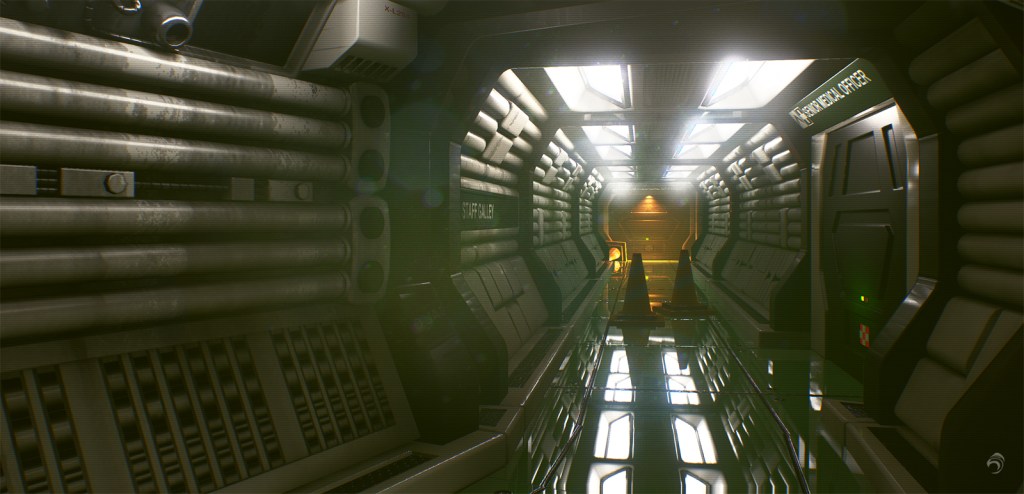
The Working Joes deepen the rot in exactly the right way. They belong to the same poisoned atmosphere. Their bland voices, their dead service smiles, their horrible patience, all of it fits the station’s retained sense of failed order. They feel like customer service after death. Like the last stage of a system that cannot admit it has collapsed, so it keeps producing the shape of helpfulness with none of the feeling left inside it. APOLLO sits above this with its cold machine authority, reducing life to process, to acceptable loss, to containment and continuation. The station’s sounds prepare you for both of them long before you fully understand their place in the story. Sevastopol is already making the noise of stripped humanity. The Joes merely give it a face.
There is a broader hauntological charge to all this, and it is not just the retro future styling, though that matters too. The clumsy terminals, CRT glow, chunky keyboards and plastic corporate ugliness all help to locate the game inside a future that has gone stale. Nothing in Alien Isolation gleams. Nothing feels frictionless. Everything looks touched, worn, overused, badly maintained. This is not a fantasy of technical progress. It is a working future, which means a tired future. A future of internal memos, cheap screens, bad coffee, delayed repairs and people trying to get through the week. That aesthetic gives the soundscape somewhere real to sink its teeth into. Old hardware feels like a perfect vessel for retained human pressure. It stores speech, error, procedure, panic. It keeps people past their usefulness. It becomes a kind of stone tape in plastic casing.
Sevastopol never feels like a mythic place. No candlelight, no abbey gloom, no picturesque decay. Its horror is fluorescent, metallic, civic, procedural. The station is frightening in the way an overlarge shopping precinct is frightening when you hear a tannoy misfire after closing time. In the way a staff corridor feels wrong once the day’s noise has gone but the strip lights are still humming. In the way a building becomes more unsettling when it keeps doing its job after the people have stopped believing in it. Alien Isolation understands that institutional spaces can be every bit as uncanny as forests or graveyards, often more so. They have memory built into them. They have routes, rules, routines, signage, maintenance histories, all the stale residue of order. Once that order curdles, every sound becomes a witness.
That is why the logs and emails hit so hard. They are not just narrative delivery. They are proof that Sevastopol has been listening to itself. The station has archived its own death in the language of work. Not through prophecy or poetry, but through notices, complaints, warnings, requests, frightened recordings and clipped little attempts to stay useful in the middle of a nightmare. Human beings have been compressed into office language and magnetic tape. The place keeps the sound of them in it. It does not honour them. It does not mourn them. It keeps them, the way a filthy carpet keeps the shape of furniture that has been moved away.
By the end of Alien Isolation, Sevastopol feels less like a setting than a recording medium with a pulse. It has absorbed routine until routine itself sounds hostile. It has absorbed panic until panic becomes part of the room tone. It has absorbed voices until every speaker and terminal seems lined with the dead weight of prior use. The station sounds alive since it has mistaken memory for metabolism. It keeps processing the people who passed through it. Keeps making noises on their behalf. Keeps humming with unfinished tasks, retained fear, missed repairs and bad decisions, as though enough continuation might count as life.
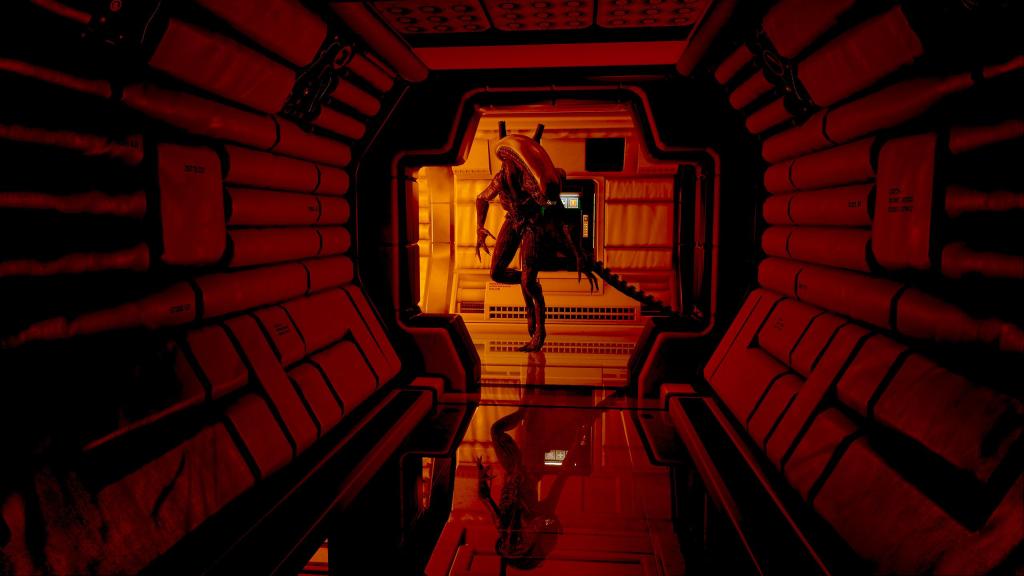
The Alien may be the face of the horror, but Sevastopol provides its wheezing, rattling lungs.
A truly dead place goes quiet.
Sevastopol keeps the sound of people in it.
 Hauntology.co.uk
Leave a comment